Cloud Migration Services
Plan, execute, and validate cloud migrations to AWS, Azure, or GCP -- 6-week median window for production workloads, with parallel-run validation and zero customer-visible downtime.
Migration as an Engineering Discipline
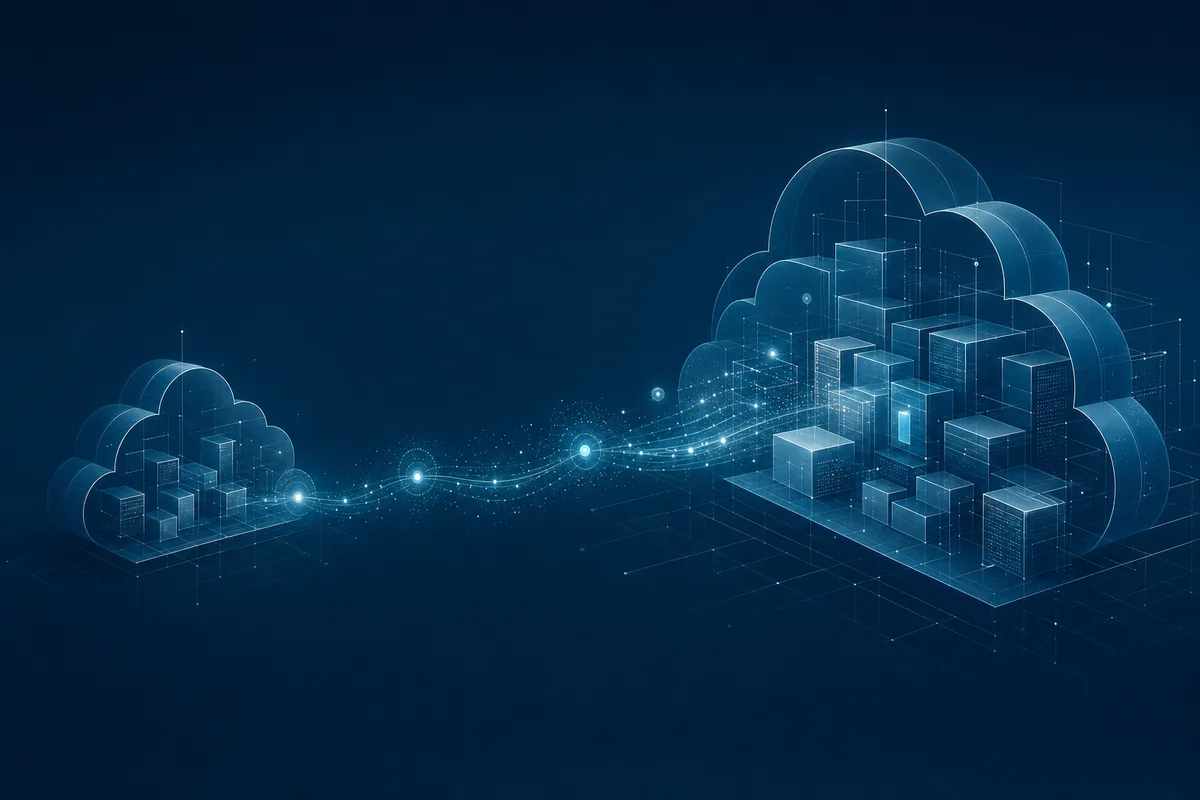
Cloud migrations fail when they are treated as IT projects rather than engineering programs. We run them as the latter: detailed dependency mapping, infrastructure-as-code from day one, parallel-run validation against production traffic, and explicit rollback paths at every stage. Our typical migration playbook spans 6-12 weeks for a mid-stage company; the 6-week median assumes a single primary database, less than 50 microservices, and a willingness to commit engineering time to the cutover window.
We support all three major hyperscalers -- AWS, Azure, GCP -- and all four classic AWS migration patterns (rehost, replatform, refactor, repurchase). The choice depends on your runway, team operational depth, and exit conditions from your current environment. Most customers migrating from on-prem or a co-lo land on a replatform pattern (containerize, move to managed services, retire bespoke infrastructure) rather than pure lift-and-shift, because the operational savings justify the engineering effort. Customers already on one cloud moving to another typically refactor the differentiated workloads and lift-and-shift the rest.
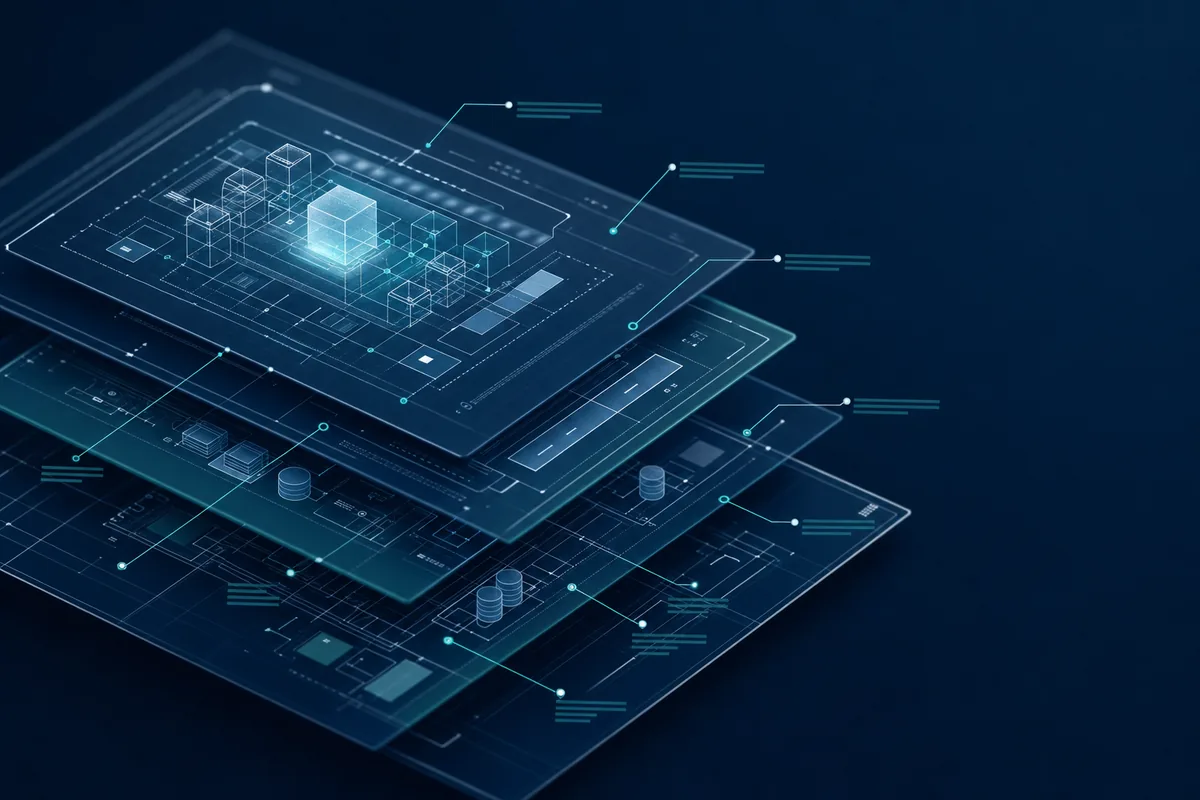
Audit and compliance posture migrates with the workload. Every Terraform module is annotated with the SOC 2, HIPAA, or PCI DSS controls it satisfies. Cutover events are captured as change-management records in the same system that drives your audit evidence. The result is a migration that lands with control evidence already in place, not a six-month follow-on compliance project.
Why Choose Our Cloud Migration Services
Engineering rigor, audit-ready process, and operational depth across cloud, SaaS, and software delivery
Predictable Timelines
6-week median migration window for production workloads with detailed dependency maps and parallel-run validation. No 'discovery phase' that becomes the migration.
Zero Customer-Visible Downtime
Parallel-run patterns (DNS-weighted shifts, dual-write database, blue-green deployment) keep customer-facing services live throughout. Cutover failures roll back without customer impact.

Cost-Optimized From Day One
Right-sizing, Reserved Instance / Savings Plan modeling, and FinOps tagging discipline applied during migration -- not retrofitted six months later. Typical 25-35% cost reduction vs naïve lift-and-shift.

Audit-Ready Architecture
Every Terraform module annotated with the SOC 2 / HIPAA / PCI controls it satisfies. Cutover lands with compliance evidence in place, not as a follow-on project.
Our Cloud Migration Process
Discovery to steady-state in 6-12 weeks
Discovery & Dependency Mapping
Two weeks to map every service, dependency, network flow, and data store. Output: an architecture diagram and a migration wave plan that sequences workloads by risk and dependency.
Target Architecture Design
Weeks 2-3: design the target cloud architecture. AWS Well-Architected pillars, networking (VPC, Transit Gateway, PrivateLink), data tier (RDS, Aurora, DocumentDB), compute (EKS or ECS Fargate), observability (Datadog, CloudWatch), and security baseline (CIS Benchmarks, GuardDuty).
Infrastructure as Code
Weeks 3-5: Terraform modules for the target environment. Modules are versioned, reviewed in PRs, and tested in a non-prod replica of the target before any production traffic shifts.
Migration Execution
Weeks 5-8: workload-by-workload cutover with parallel-run validation. Database migration via DMS or native replication. DNS-weighted shifts for stateless services. Documented rollback at every stage.
Validation & Optimization
Weeks 8-12: post-cutover monitoring, right-sizing review against actual traffic patterns, Savings Plan / Reserved Instance modeling, and final compliance evidence collection. Old environment retired with documented evidence.
Discovery & Dependency Mapping
Two weeks to map every service, dependency, network flow, and data store. Output: an architecture diagram and a migration wave plan that sequences workloads by risk and dependency.
Target Architecture Design
Weeks 2-3: design the target cloud architecture. AWS Well-Architected pillars, networking (VPC, Transit Gateway, PrivateLink), data tier (RDS, Aurora, DocumentDB), compute (EKS or ECS Fargate), observability (Datadog, CloudWatch), and security baseline (CIS Benchmarks, GuardDuty).
Infrastructure as Code
Weeks 3-5: Terraform modules for the target environment. Modules are versioned, reviewed in PRs, and tested in a non-prod replica of the target before any production traffic shifts.
Migration Execution
Weeks 5-8: workload-by-workload cutover with parallel-run validation. Database migration via DMS or native replication. DNS-weighted shifts for stateless services. Documented rollback at every stage.
Validation & Optimization
Weeks 8-12: post-cutover monitoring, right-sizing review against actual traffic patterns, Savings Plan / Reserved Instance modeling, and final compliance evidence collection. Old environment retired with documented evidence.
Naïve Lift-and-Shift vs. Engineering-Led Migration
Why how you migrate matters more than what you migrate
| Feature | Naïve Lift-and-Shift | Engineering-Led Migration |
|---|---|---|
| Cost Profile | 30-50% higher than necessary; right-sizing happens 6 months later | 25-35% reduction vs naïve approach by sizing during migration |
| Downtime | Multi-hour maintenance windows announced to customers | Parallel-run with DNS-weighted shifts; zero customer-visible downtime |
| Rollback | Reverse-migration if something breaks; can take days | Documented rollback at every stage; <1 hour to revert any wave |
| Compliance Continuity | Compliance project starts after migration completes | Controls and evidence migrate with the workloads |
| Operational Maturity Post-Cutover | Day 1 of the new environment is day 1 of operations | Day 1 inherits Datadog SLOs, IaC, runbooks, on-call rotation |
Cost Profile
Downtime
Rollback
Compliance Continuity
Operational Maturity Post-Cutover
Cloud Migration Playbook
Read our cloud migration playbook -- 6Rs framework, parallel-run validation patterns, FinOps discipline during migration, and zero customer-visible downtime.
Read the whitepaperCloud Migration FAQs
What CTOs ask before they commit to a migration
Related Services
Buyers of cloud migration services typically partner with us across these adjacent disciplines
Cloud Infrastructure Management
Day 1 of the new environment is day 1 of operations -- inherits Datadog SLOs, IaC, runbooks, on-call rotation from the migration team.
Cloud Cost Management
Right-sizing, Reserved Instance / Savings Plan modeling, and FinOps tagging applied during migration -- 25-35% lower cost than naïve lift-and-shift.
Disaster Recovery & Business Continuity
DR patterns are designed during migration, not retrofitted afterward. Multi-AZ at minimum, multi-region for Tier 0 workloads.
Ready to Migrate to the Cloud?
Schedule a migration assessment with detailed dependency mapping and timeline.